10.04.2026

Why Footfall Alone Is No Longer Enough for Modern Malls

For decades, footfall has been the most widely used indicator of shopping mall performance. A higher number of visitors was assumed to lead directly to stronger sales, increased tenant demand, and overall success.

Today, mall operators across Europe, the Middle East, and Asia are reaching the same conclusion:
High footfall alone no longer guarantees success.

Component

The Changing Reality of Mall Performance

Consumer behavior has fundamentally shifted. Visitors now make shorter, more purposeful trips. Online and offline journeys are intertwined, and experience, convenience, and relevance outweigh pure volume.

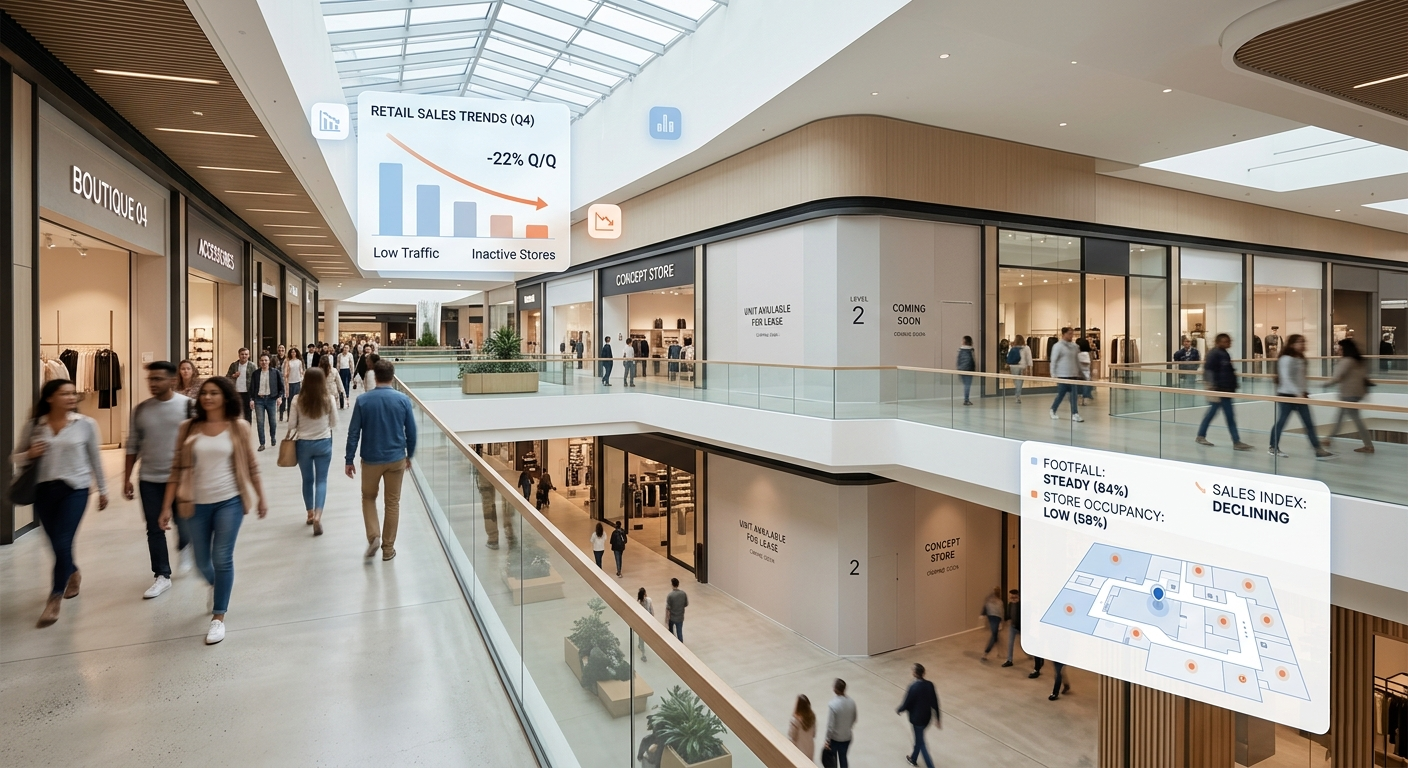
As a result, malls with growing footfall but declining tenant performance are no longer an exception.
The key question has changed:
What actually happens after people enter the mall?

Component

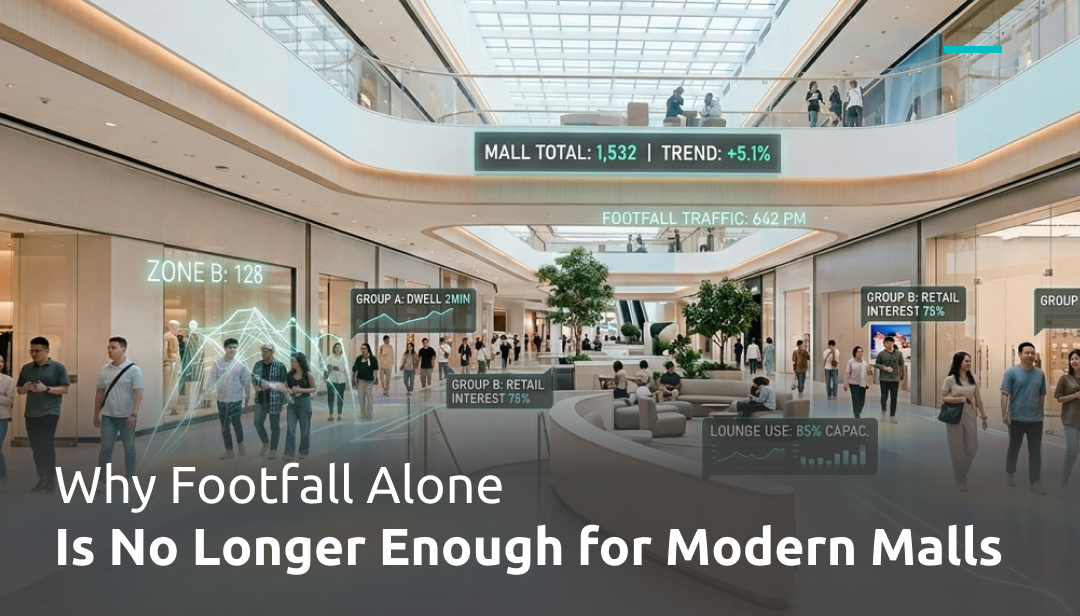
From “How Many” to “How They Move”

Footfall answers only one question: quantity.
Strategic decisions require deeper insight:
- Which zones attract attention?
- Where do visitors dwell or turn back?
- How is traffic distributed across floors?
- How does movement change by time or campaign?
Without this context, footfall becomes a reporting metric rather than a decision-making tool.

Component

The Limits of Traditional Metrics

Relying solely on footfall often leads to:
- Misinterpreted tenant performance
- Inefficient space usage
- Poor staffing alignment
- Campaigns that look successful but fail operationally
Counting entrances does not explain behavior.

Component

The Future of Mall Intelligence

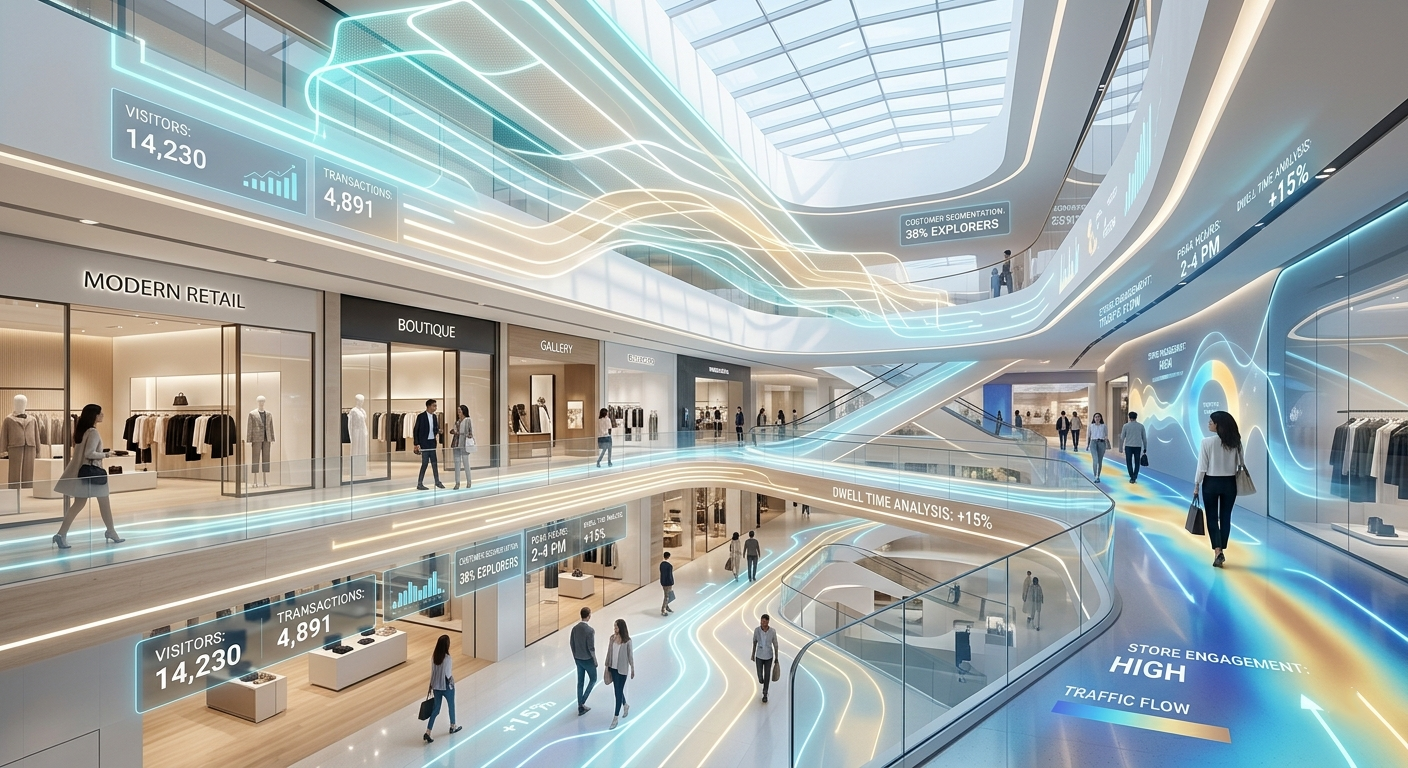
Leading operators are moving toward movement-based analytics, combining:
- Circulation flow
- Dwell time
- Traffic balance
- Repeat movement patterns
This shift enables proactive optimization instead of reactive reporting.

At Counttrack, we believe that understanding movement is the foundation of smarter retail environments.

From counting to understanding — this is the future of mall performance.